Understanding the Sneaky Link and Redirect Techniques in Digital Management
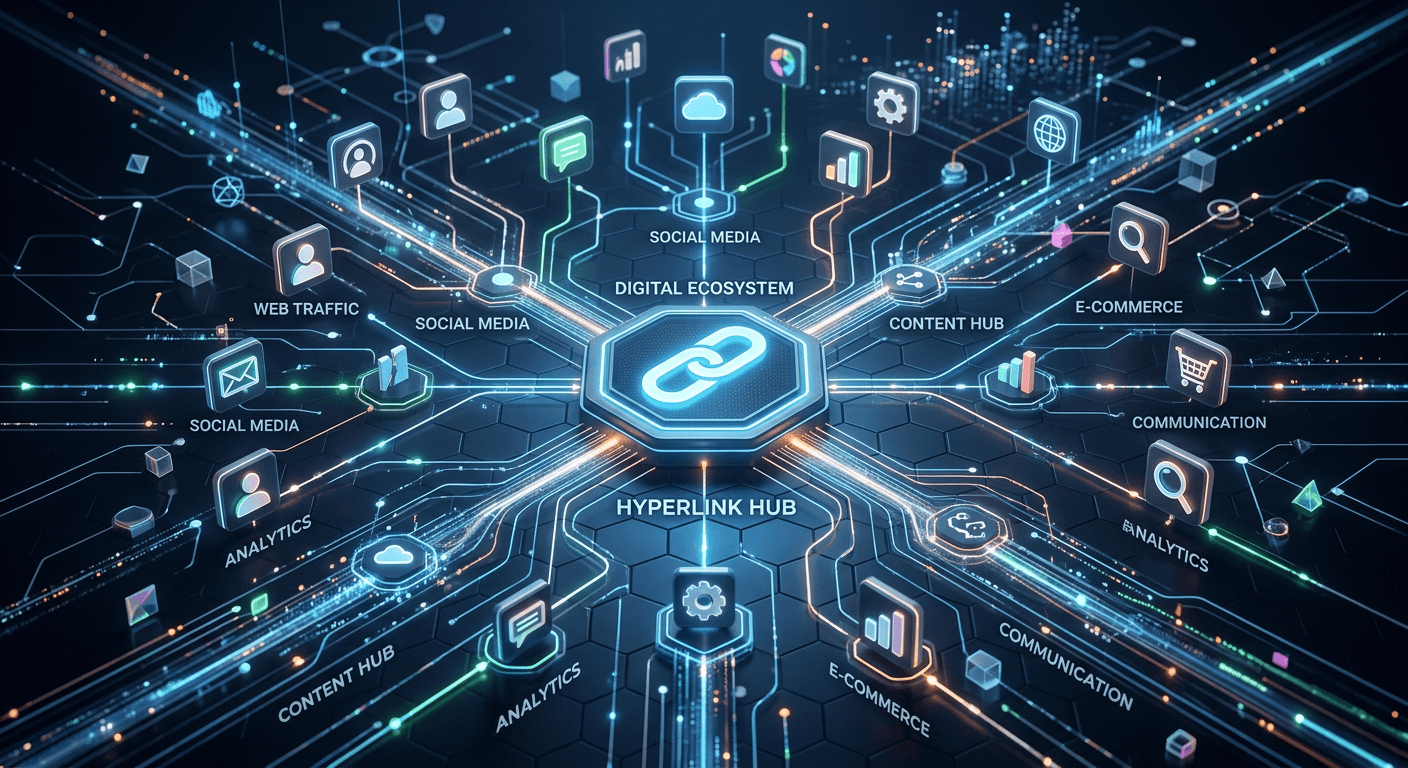
In the complex ecosystem of modern web navigation and traffic routing, technical operators often employ various methods to funnel users from one destination to another. Terms such as the sneaky link, DCS quick links, and various redirect strategies frequently appear in discussions regarding digital marketing, SEO, and content distribution. Understanding how these tools function is essential for anyone aiming to manage online traffic with precision and transparency.

Quick Summary
Redirects and link-routing tools are technical mechanisms used to bridge traffic between digital touchpoints. They vary from standard HTTP redirects to specialized, often obfuscated routing methods that manage user flow.
- Standard redirects (301/302) are the foundation of web navigation.
- "Sneaky" or hidden links often refer to obfuscated paths meant to bypass typical referrer tracking.
- DCS (Dynamic Content System) links function as centralized traffic routing hubs.
- Transparency in link behavior is critical for maintaining user trust and search engine compliance.
Table of Contents
- The Mechanics of URL Redirection
- Defining the Sneaky Link
- Understanding DCS Quick Links
- The Role of Invisible Links in Tracking
- Navigating Linkvertise and Monetized Routing
- Evaluating Link Energy and Traffic Quality
- Recommended Reads
The Mechanics of URL Redirection
At its core, a redirect is an instruction given to a web browser or search engine crawler to move from a requested URL to a different one. This is typically managed via server-side configurations. HTTP status codes such as 301 (Permanent) and 302 (Temporary) are the industry standards for telling a browser, "The resource you are looking for has moved." These are the backbone of site migrations and URL consolidation.
However, not all redirects are standard. Some implementations involve client-side scripts, such as JavaScript-based redirects or meta-refresh tags. While these achieve the same end result, they are often treated differently by search engines. Relying on these non-standard methods can sometimes mask the true destination of a link, which is where the conversation around link transparency and user experience becomes increasingly relevant for digital professionals.
Defining the Sneaky Link
The term "sneaky link" is often used colloquially to describe any hyperlink that obscures its final destination or the intent of the click. From a technical perspective, this often involves layers of abstraction or cloaking. By wrapping a destination URL in a secondary redirect service or a script, the actual landing page is hidden from the user until the moment the interaction occurs.
While these tactics are sometimes used for legitimate affiliate tracking or campaign performance measurement, they can also be used to bypass security filters. In a professional digital environment, using such methods requires caution. Modern browsers and security suites are increasingly adept at flagging "sneaky" behaviors, which can result in warnings that alienate the audience and degrade the reputation of the originating domain.
Understanding DCS Quick Links
Dynamic Content System (DCS) quick links refer to a centralized architecture where a single, manageable portal controls the destination of thousands of individual links. This is a common requirement for large-scale content creators and small business owners who manage multiple social media profiles, email campaigns, and advertising funnels. A link-in-bio platform often serves as a user-friendly implementation of this concept, allowing a user to update their destination links from a single dashboard without changing the URL shared with their followers.
Pro Tip: When utilizing a centralized link management system, always ensure that your primary URL remains consistent. By using a stable "link-in-bio" URL, you eliminate the risk of broken links when you rotate your promotional content or update your service offerings.
The Role of Invisible Links in Tracking
An invisible link is typically an element that captures click data or redirects a user without the user needing to click a traditional blue-underlined text anchor. These are often implemented through tracking pixels or hidden container elements on a webpage. While they are powerful for analytics, they present ethical considerations regarding user privacy.
Technically, these are often "zero-pixel" images or elements with absolute positioning that overlay a portion of the screen. When a user interacts with a page, the "invisible" element triggers a script that records the interaction. Digital marketers must balance the need for data accuracy with the requirement for non-intrusive design, as modern privacy regulations increasingly mandate that such tracking be disclosed to the end user.
Navigating Linkvertise and Monetized Routing
Services such as Linkvertise and similar monetized routing platforms add an intermediary step to the click process. Users who click these links are often required to view an advertisement or complete a task before reaching the final destination. This model shifts the focus from simple traffic redirection to active engagement or monetization.
From a technical management standpoint, these platforms add latency to the user experience. If your goal is conversion, adding "gatekeeping" steps can significantly increase the bounce rate. Professionals should weigh the small amount of revenue generated against the loss of potential traffic to their primary digital properties.
Evaluating Link Energy and Traffic Quality
"Link energy" is a conceptual term often used to describe the authority, context, and quality of traffic originating from a specific source. High-energy links are those that provide clear value, are placed in relevant contexts, and lead to high-engagement destinations. Links that are obfuscated or hidden often possess lower "energy" in the eyes of search algorithms because they do not provide a transparent path for the user.
Focusing on clean, direct, and descriptive link architecture is generally the most effective way to maintain high-quality traffic. When you manage your links through a professional platform, you ensure that the metrics you gather - clicks, traffic sources, and audience behavior - are accurate and reliable, allowing for better strategic decision-making in your digital marketing efforts.