Strategies for Promoting Links and Social Shares
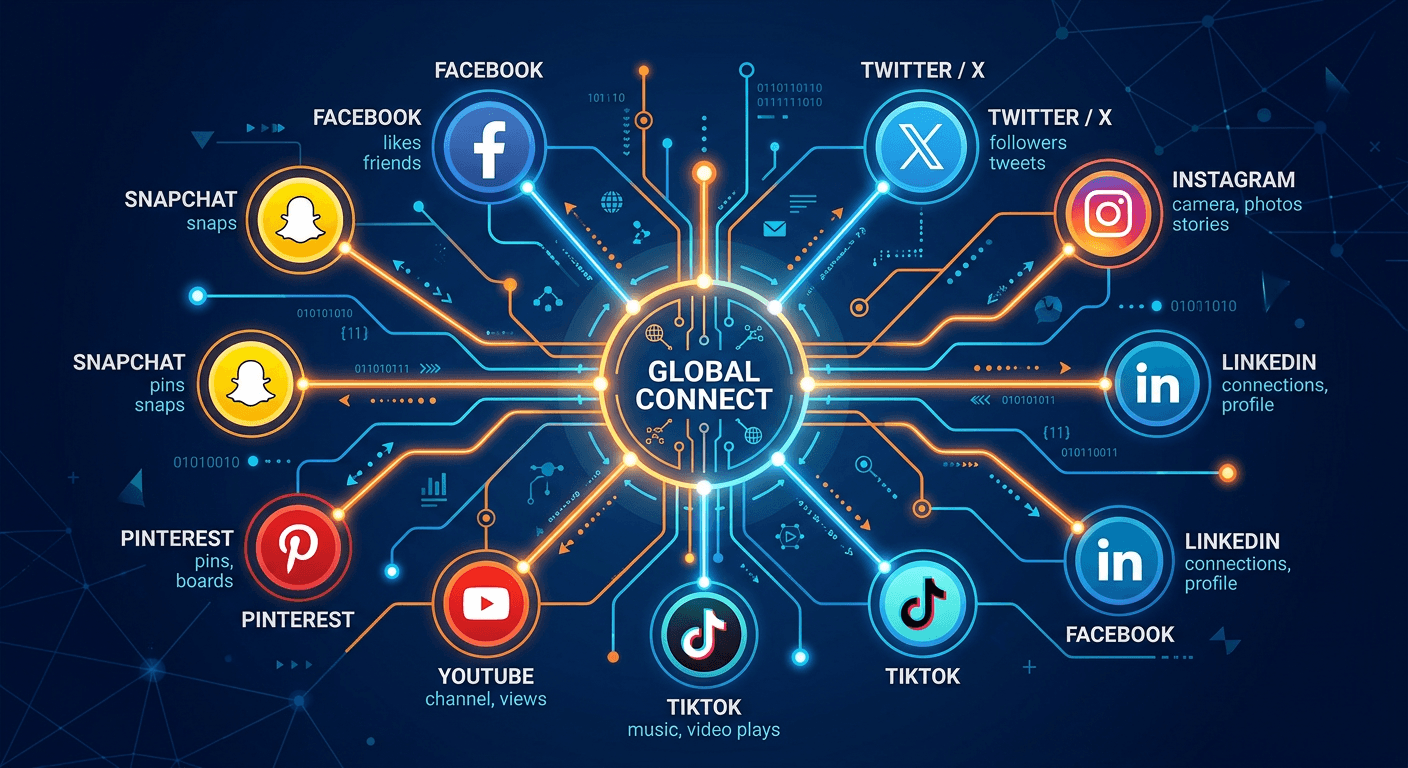
Maximizing the visibility of your digital content requires a sophisticated approach to how you promote links across various online ecosystems. Whether you are a content creator or a brand manager, the ability to effectively distribute URLs is the difference between static content and a high-traffic asset, as the digital landscape rewards those who understand the mechanics of social media share links.
Quick Summary
Promoting links effectively involves optimizing content for engagement, ensuring technical accessibility, and strategically distributing URLs across high-traffic platforms to drive traffic and improve search visibility. This process centers on crafting compelling calls-to-action and leveraging metadata to ensure that every shared link provides a seamless user experience.
- Optimize open graph metadata for social previews.
- Use descriptive, action-oriented calls-to-action.
- Leverage link management tools to track engagement.
- Distribute content across platforms where your target audience congregates.
Table of Contents
- Quick Summary
- The Mechanics of Viral Link Sharing
- Best Practices to Promote Links
- Optimizing for Social Media Share Links
- Choosing the Right Link Place for Maximum Reach
- Strategic Use of Link Bookmark Tools
- Real-World Insights on Driving Traffic
- FAQ
- Recommended Reads

The Mechanics of Viral Link Sharing
To successfully promote links, one must first understand the psychological and technical triggers that prompt a user to click. Viral link sharing is rarely an accident; it is the result of aligning high-value content with a format that invites interaction. When a user encounters a link, their decision to click or share is heavily influenced by the preview metadata - the title, description, and image that appear when a link is pasted into a social feed.
Technical infrastructure plays a vital role here. Utilizing a professional link management platform allows you to consolidate your digital presence, making it easier for audiences to find and bookmark your content. By focusing on the user intent behind every click, you can create a frictionless path from the social feed to your destination, ultimately increasing the likelihood of conversion and secondary sharing.
Best Practices to Promote Links
Promoting links effectively requires a balance between aggressive distribution and genuine value delivery. It is rarely sufficient to simply post a URL; you must provide a compelling reason for the user to engage. Start by crafting a narrative around the link - highlight the specific benefit, answer a burning question, or provide a unique insight that the content addresses.
Furthermore, context is paramount. A link shared in a professional community requires a different tone than one shared in a lifestyle or entertainment-focused group. Always tailor your messaging to the platform, ensuring that the link does not feel like spam but rather like a helpful resource. When you provide genuine value, your audience is much more likely to bookmark your content for later reference.
Optimizing for Social Media Share Links
Social media share links are the lifeblood of modern content discovery. To optimize these, you must implement Open Graph tags and Twitter Cards. These technical elements dictate how your link appears when shared on major platforms, ensuring that your headline is catchy and your primary image is relevant and high-resolution.
Pro Tip: Always test how your link renders on different devices. A broken or unformatted social preview significantly lowers your click-through rate because users instinctively distrust content that appears "broken" or low-effort.
If your social previews are not optimized, you lose control of your branding. A link without a preview image or a well-crafted description often gets scrolled past in favor of visually arresting posts. Spend time refining these assets to ensure your content stands out in a crowded feed.
Choosing the Right Link Place for Maximum Reach
Identifying the ideal link place involves analyzing where your specific demographic spends their time. Whether it is an industry-specific forum, a professional networking site, or a visual-heavy discovery platform, the placement of your link directly correlates to the quality of traffic you receive. You must be where your audience is already looking for solutions.
Using a unified hub allows you to maintain a singular destination that houses all your essential links, making it easier to track which channels are driving the most meaningful engagement. By managing your digital link strategy centrally, you can pivot your efforts toward high-performing platforms while pruning those that offer little return on investment.
Strategic Use of Link Bookmark Tools
Encouraging users to save your content is an underrated aspect of digital growth. Link bookmark tools are essential for long-term traffic, as they signal to search engines that your content is valuable enough to be saved for later. When users bookmark your links, they are essentially creating a personal library of your brand’s output, which increases the probability of repeat visits.
To facilitate this, ensure your content is easily discoverable and consistently high-quality. You can also actively encourage bookmarking by creating "resource guides" or "best-of" lists that logically group your links. This makes it easier for the reader to value your content as an ongoing reference point rather than just a one-off post.
Real-World Insights on Driving Traffic
In practical application, the most successful campaigns are those that embrace iterative testing. Start by monitoring your click-through rates and bounce rates to understand how different segments of your audience interact with your links. Use these metrics to refine your copy and the visual presentation of your links.
Engagement is a cycle; the more people share your links, the more social proof you build, which in turn encourages more shares. Focus on cultivating a loyal community that views your shared content as a trusted source of information. By maintaining transparency and providing consistent value, you transform simple link sharing into a sustainable growth engine.
FAQ
- What is the most effective way to share links on social media? Focus on providing context and a clear value proposition in the caption rather than just dropping a URL. Use optimized open-graph images to improve visibility.
- Do URL shorteners help with link promotion? Yes, they provide clean, professional-looking URLs and allow for detailed tracking, which is essential for understanding where your traffic originates.
- How can I prevent my links from looking like spam? Avoid excessive posting, ensure the content is relevant to the community, and always write personalized descriptions for every share.
- Why is social metadata important for link sharing? Metadata (Open Graph) controls the preview appearance, which directly impacts click-through rates. A good preview significantly increases the likelihood of a user clicking your content.