How to Optimize Your Social Media Links for Better Tracking and Engagement in 2026
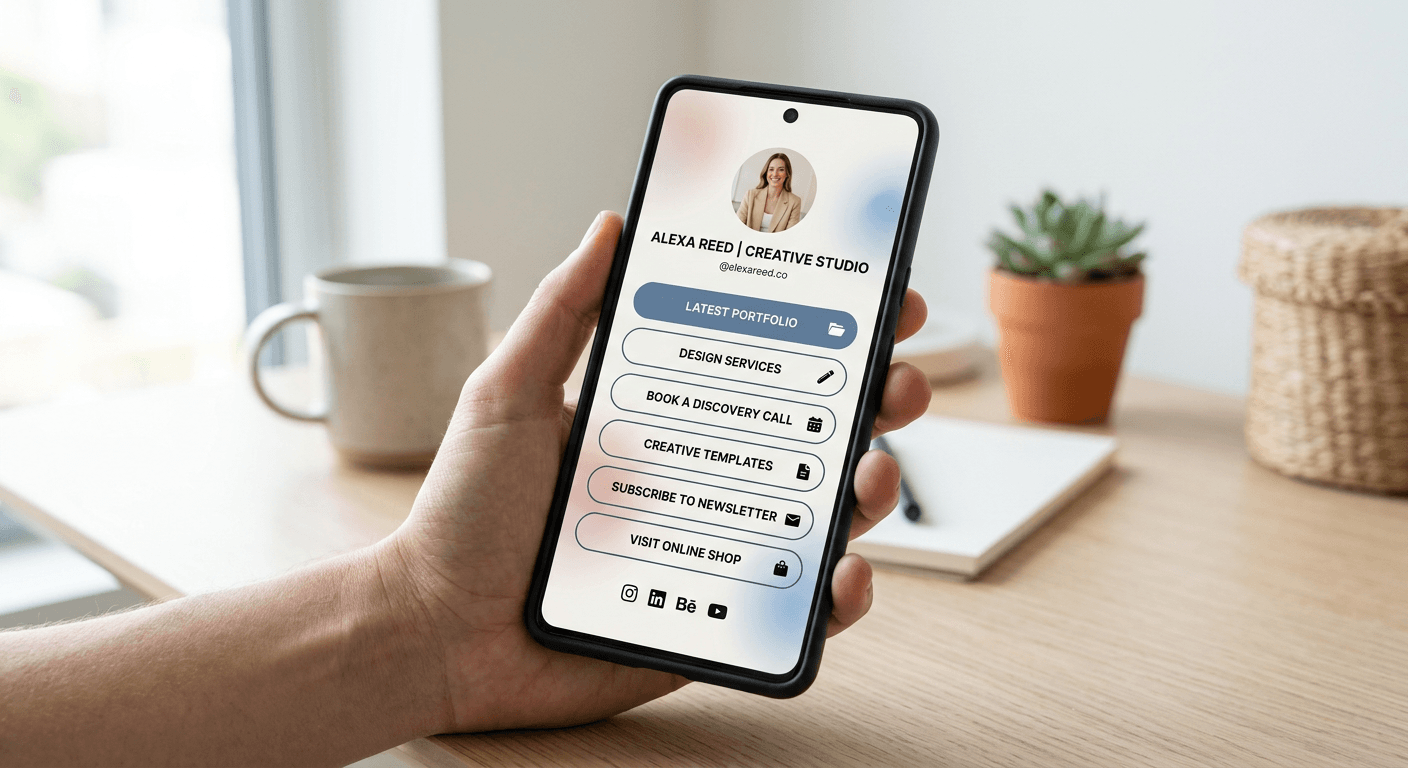
Optimizing how you share digital assets across social platforms is no longer just about convenience; it is a fundamental pillar of modern digital marketing. When you effectively link social profiles to your broader ecosystem, you transform passive viewers into actionable data points. A poorly managed approach to sharing URLs often leads to fragmented tracking, broken user journeys, and missed opportunities to convert followers into loyal customers.
Quick Summary
Optimizing social media links involves centralizing your digital presence into a single, trackable hub to ensure seamless navigation and deep performance insights. By leveraging professional link tooling, you can consolidate your CTA strategy, monitor audience behavior, and maintain consistent brand identity across every channel.
- Use a centralized landing page to avoid cluttering bios.
- Implement UTM parameters for granular campaign tracking.
- Prioritize mobile-first design for all linked destinations.
- Regularly audit link performance to prune low-converting assets.
Table of Contents
- The Strategic Importance of Centralized Link Management
- Selecting the Right Link Tooling for Your Brand
- Step-by-Step Guide to Optimizing Your Link-in-Bio Strategy
- Leveraging Analytics for Data-Driven Decisions
- Common Pitfalls and Troubleshooting
- FAQ
- Recommended Reads

The Strategic Importance of Centralized Link Management
In an era where social platforms strictly limit outbound link placement, the "link-in-bio" has become the most valuable real estate for any digital business. Treating this space as a temporary redirect is a strategic error. Instead, viewing it as a permanent link place for your primary business assets allows for better continuity and trust-building with your audience.
When a user clicks a link from a social post, they expect a frictionless transition. If the destination is slow to load or poorly optimized for mobile devices, your bounce rate increases significantly. Centralizing your links into a dedicated, branded landing page ensures that whether a follower is looking for your latest product drop or a direct booking service, the experience is predictable, professional, and on-brand.
Selecting the Right Link Tooling for Your Brand
Not all link management solutions offer the same depth of functionality. When evaluating link tooling, you must look beyond basic redirection capabilities. An ideal solution should support custom branding, which allows your landing page to look like an extension of your own website rather than a third-party directory.
Consider the scalability of the service. As a creator or small business grows, the ability to manage dozens of links, integrate social media feeds, and generate QR codes for offline marketing becomes essential. A high-quality link creative suite provides the infrastructure to pivot your focus without needing to edit your social media bio every time you launch a new initiative.
Step-by-Step Guide to Optimizing Your Link-in-Bio Strategy
- Consolidate Your Destinations: Map out the top three to five actions you want your audience to take, such as purchasing a product, signing up for a newsletter, or viewing a recent video. Focus on high-intent destinations.
- Standardize Branding: Use consistent colors, logos, and typography across your link hub. This builds visual recognition and authority, ensuring that the transition from a social platform to your link wire feels seamless.
- Apply UTM Parameters: Never use raw URLs. Append UTM tags (source, medium, campaign) to every link. This allows you to differentiate between traffic coming from Instagram versus TikTok, providing a clear view of which platforms yield the highest ROI.
- Prioritize Mobile Responsiveness: Given that the vast majority of social traffic originates from mobile devices, ensure your landing page is lightweight. Avoid excessive use of heavy animations or unoptimized images that may delay loading times.
- Perform Regular Audits: Every month, review which links receive clicks and which remain dormant. Remove obsolete links to keep the page clean and prioritize the most important calls-to-action at the very top.
Pro Tip: Keep your top-performing call-to-action at the very top of your link list, and use bold visual cues or animation to highlight limited-time offers to capture immediate attention from time-sensitive visitors.
Leveraging Analytics for Data-Driven Decisions
Data is the bridge between guesswork and growth. The primary advantage of using a professional link-in-bio service is the built-in tracking dashboard. By observing click-through rates (CTR) over time, you can identify patterns in audience behavior. For example, if you notice a spike in engagement on a specific day of the week, you can align your future content releases with those peak traffic windows.
Furthermore, use this data to perform A/B testing on your link text. Sometimes, a subtle change from "Buy Now" to "Get Your Exclusive Discount" can have a measurable impact on conversion rates. Treat your landing page as a living document that requires constant refinement based on real-world user interaction.
Common Pitfalls and Troubleshooting
One common error is providing too many choices, which leads to analysis paralysis. Aim for a maximum of 7-8 links at any given time. If you have more content, use categorized sections or collapsible menus to prevent overwhelming the user.
Another frequent issue involves broken links. Routinely check the destination of every link on your page. If a campaign ends or a product goes out of stock, remove the link immediately rather than leaving a 404 error page. A dead end in your navigation path is a direct reflection on your brand's professionalism.
FAQ
Why is a dedicated link page better than just linking directly to my website?
A dedicated landing page acts as a centralized dashboard that keeps users within a clean, mobile-optimized environment, reducing the bounce rate compared to sending users to a full desktop-designed website that may not load well on mobile.
How often should I update my social media links?
Update your links whenever you launch a new product, content series, or promotion. A monthly audit is recommended to prune inactive links and ensure your most relevant content is always prominent.
Can I track the effectiveness of different social media platforms with one link?
Yes, by using unique UTM parameters for each platform, you can segment your traffic sources in your analytics dashboard to see which specific social channel drives the most high-intent traffic.
What should I do if a link isn't getting any clicks?
First, assess the placement; if it is near the bottom, move it to the top. If that fails, rewrite the CTA to be more compelling or consider whether the content is truly relevant to your current audience.