How to Build an Effective Referral Link Strategy for Community Engagement in 2026
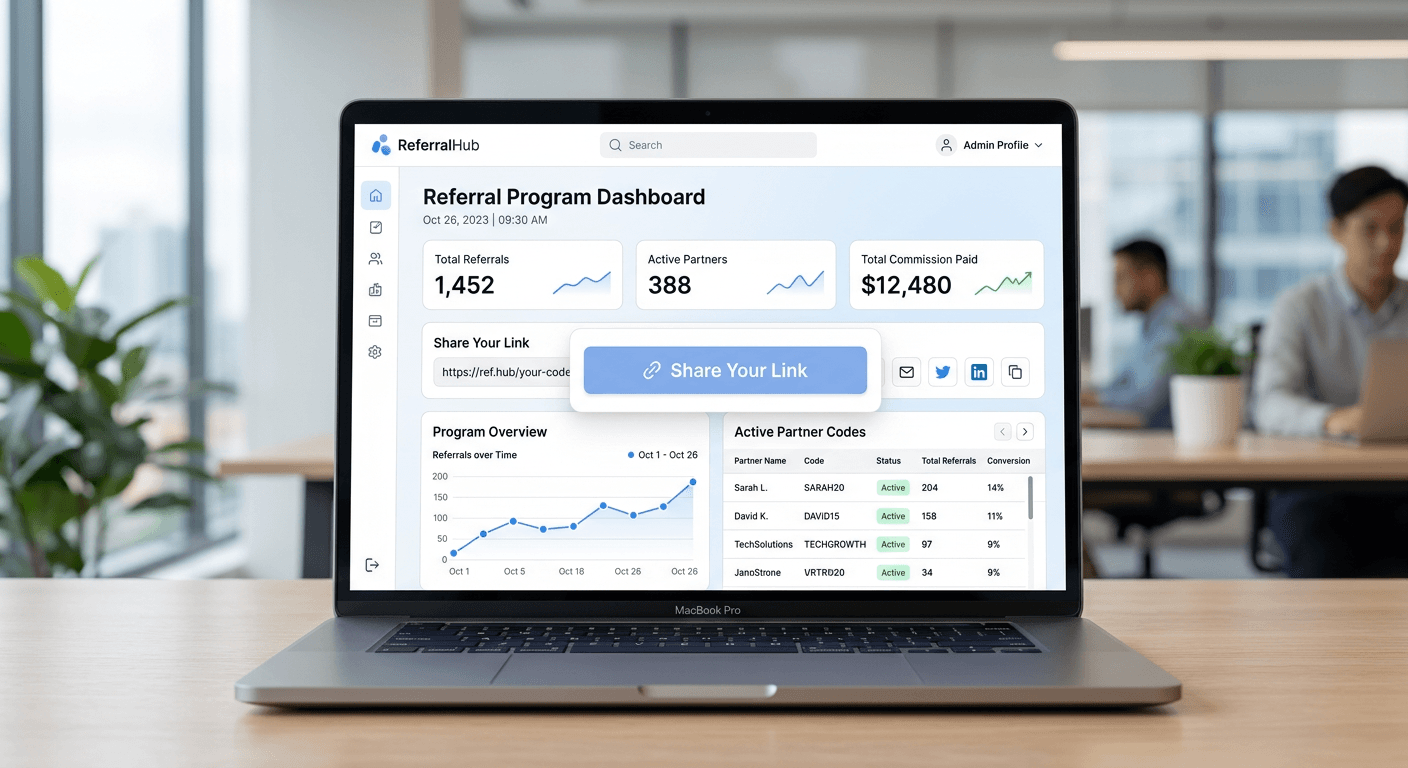
Building a sustainable community requires more than just high-quality content; it necessitates a structured system for incentivizing advocacy. A well-executed referral link strategy transforms passive followers into active brand ambassadors, leveraging existing social circles to drive organic growth. By providing clear pathways for users to share your offerings, you create a measurable feedback loop that rewards loyalty while lowering customer acquisition costs.

Quick Summary
Developing a referral link program involves generating trackable, unique URLs that allow creators and brands to monitor, attribute, and reward community-driven advocacy. An effective strategy uses automated incentive structures to motivate users, simplifying the process of turning community interactions into measurable growth, conversion, and long-term loyalty for your digital presence.
- Define clear incentive structures for both the advocate and the new user.
- Use unique, trackable identifiers to ensure accurate attribution.
- Integrate links into existing bio pages for better user accessibility.
- Regularly audit link performance to optimize conversion rates.
Table of Contents
- Understanding Referral Mechanics
- Setting Up Your Reward Link System
- Strategic Deployment of Partner Codes
- Managing Link Customer Service and Support
- Common Pitfalls and Troubleshooting
- FAQ
- Recommended Reads
Understanding Referral Mechanics
At its core, a referral link functions as a unique digital identifier that maps a specific user's recommendation to a conversion event. When a user clicks this link, the system logs the source, allowing you to trigger a reward automatically. Understanding the underlying technology is critical: most systems utilize cookies or database-side tracking to maintain session integrity from the moment of the click until the final checkout or sign-up.
Beyond basic tracking, the psychological component of an inkind referral link is paramount. By providing value that feels native to your community, you decrease the friction associated with promotional activity. When community members feel they are offering a genuine favor to their peers rather than simply spamming a sales pitch, the conversion rate typically increases. Maintaining transparency regarding what the referrer gains versus what the referee receives is essential for building long-term trust.
Setting Up Your Reward Link System
To initiate your referral infrastructure, you must first select a platform that can handle dynamic link generation and real-time tracking. Avoid manual spreadsheet tracking, as it is prone to human error and difficult to scale. Instead, utilize established digital tools that can consolidate your links, such as those found on https://heylink.us.com for centralized management.
- Select your incentive: Determine whether you will offer monetary kickbacks, store credit, or exclusive digital access.
- Generate unique tracking strings: Ensure every partner is assigned a distinct alphanumeric code to prevent data overlap.
- Integrate with your payment processor: Connect your referral software to your checkout or sign-up flow to automate the reward disbursement process.
- Test the user journey: Click your own links from multiple devices to ensure the tracking pixel fires correctly and the redirection path is seamless.
Pro Tip: Always set a clear expiration or validation window for rewards. This creates a sense of urgency and helps in forecasting the financial liability of your referral program.
Strategic Deployment of Partner Codes
Once your links are functional, their placement determines their efficacy. Placing a partner code in a buried menu or a secondary page will stifle participation. Instead, integrate these links directly into your primary social media bio or landing page. Providing a clear, branded interface makes it easier for your audience to find their referral codes when they want to share them with their own followers.
Consider the context of the share. If you are launching a new product, provide your advocates with pre-written messaging and optimized images that they can use alongside their referral links. This lowers the barrier to entry for your community, as they no longer need to spend time crafting promotional content from scratch. When your audience feels empowered with high-quality assets, they are more likely to share their links across multiple channels.
Managing Link Customer Service and Support
Technical issues are inevitable, and how you manage link contact requests can make or break your reputation. If a user complains that their referral did not track, you must have a clear support protocol in place. This includes keeping a log of link interactions so you can manually verify if a click originated from a specific partner code.
Effective link customer service involves proactive communication. If a technical glitch prevents tracking, notify your partners immediately rather than waiting for them to notice missing commissions. Transparent communication regarding why a referral might be rejected or why a specific link is showing as broken helps maintain the integrity of your community and prevents the spread of rumors or distrust regarding your reward system.
Common Pitfalls and Troubleshooting
One common error is failing to account for cross-device tracking. If a user clicks a link on a mobile device but completes a purchase on a desktop, the attribution might be lost if your system relies solely on device-level cookies. Using server-side tracking can mitigate this, ensuring that the link contact is correctly associated with the referral account regardless of the platform.
Another significant issue is over-complicating the reward structure. If the conditions for receiving a reward are too complex, your community will lose interest. Keep the terms simple, such as "give $10, get $10." Additionally, monitor for fraudulent activity, such as users referring themselves or abusing the referral system. Implement rate limiting on link clicks and require verification for new accounts to protect the program's financial health.
FAQ
How can I ensure my referral links are being tracked accurately?
Ensure you are using a professional link management tool that provides real-time analytics. Regularly audit your conversion data against your link click logs to identify discrepancies early.
What should I do if a user reports their reward was not processed?
Investigate your link click logs for that specific user ID. If the click is verified but the conversion failed to fire, manually override the reward if possible to maintain trust with your community.
Should I use different reward structures for different community members?
Tiered rewards can be effective for high-performing ambassadors, but keep the base program simple. Offering exclusive benefits to your top referrers can drive higher engagement without confusing the rest of your community.
Are referral links safe for my brand's reputation?
Yes, as long as you maintain clear guidelines on how they should be shared. Avoid incentivizing spam behavior, and ensure your community members are disclosing their relationship with your brand according to regional advertising standards.