Effective Methods for Building Link Authority in 2026
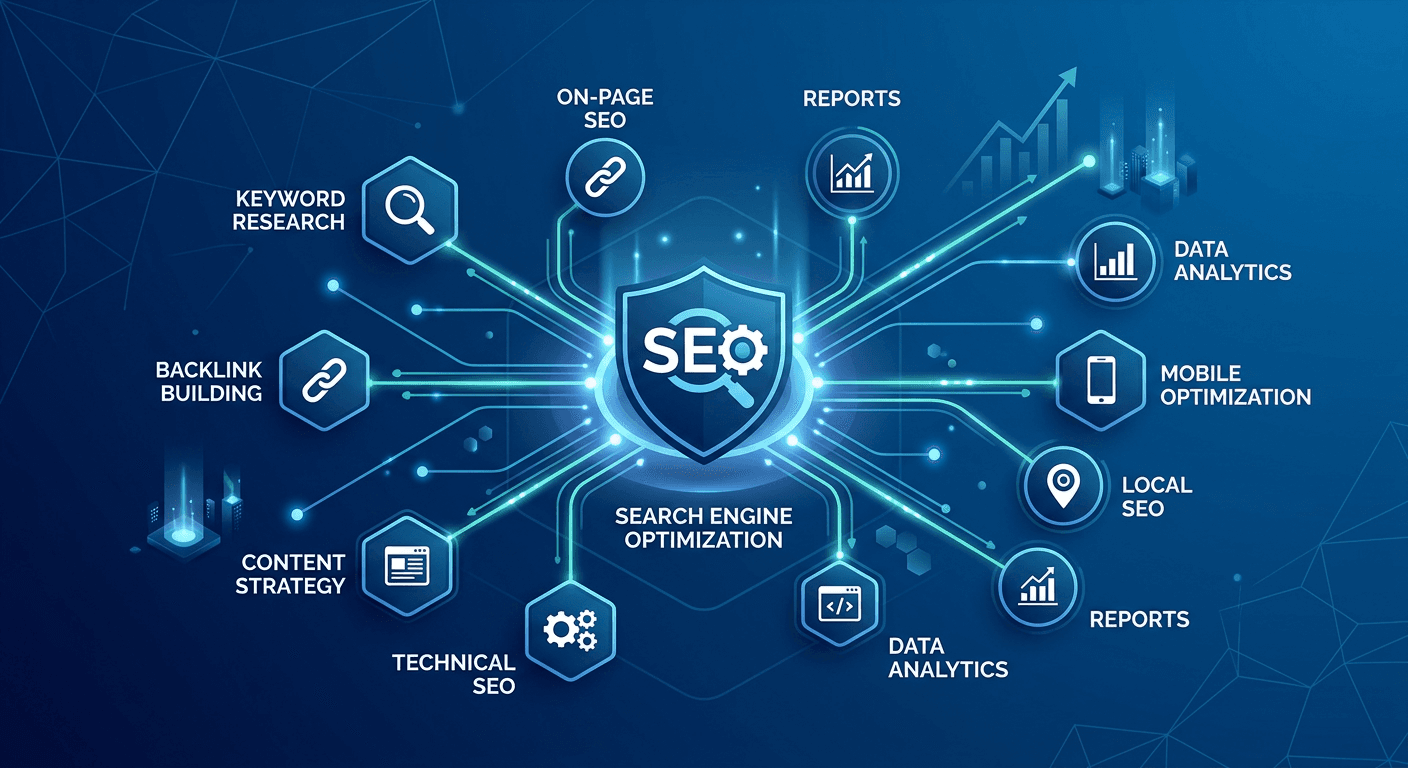
Link building remains a cornerstone of search engine optimization, serving as a primary indicator of trust and authority for search engines. By acquiring high-quality hyperlinks from external websites to your own, you signal to algorithms that your content provides value, which can significantly improve your search rankings.

Quick Summary
Link building is the process of acquiring hyperlinks from other websites to your own to increase your authority and search visibility. It acts as a digital vote of confidence, helping search engine crawlers discover new pages and determine their relevance in competitive search results.
- It functions as a key signal for search engine ranking algorithms.
- High-quality backlinks increase domain authority and trust.
- Effective strategies focus on relevance, content quality, and organic acquisition.
Table of Contents
- The Role of Backlinks in SEO
- Foundational Principles of Link Building Strategy
- Modern Link Building Tactics for Sustainable Growth
- Evaluating Link Quality and Authority
- Common Pitfalls in SEO Link Building
- Measuring Success Through Analytics
- FAQ
- Recommended Reads
The Role of Backlinks in SEO
At its core, search engine optimization relies heavily on the principle that links function as recommendations. When an authoritative source links to your content, it effectively tells search engine crawlers that your page contains credible, useful information. This helps search engines categorize your site and determine its importance relative to other pages on the web.
Beyond simple ranking benefits, links provide a pathway for referral traffic. A well-placed link on an industry-relevant blog or a news portal can drive qualified visitors to your site who are already interested in the specific topic you cover. This creates a dual benefit: search engine visibility through algorithmic trust and direct exposure to a wider, relevant audience.
Foundational Principles of Link Building Strategy
A successful link building strategy requires a long-term mindset rather than a quest for quick, low-quality wins. The foundation rests on creating exceptional, link-worthy assets. If your content is not inherently useful, original, or insightful, even the most aggressive outreach efforts will yield poor results. Focus on deep-dive research, original data sets, or comprehensive tutorials that solve specific problems for your audience.
Another critical element is building relationships within your niche. Networking with other creators, publishers, and industry professionals creates natural opportunities for collaborations and organic link placement. By participating in professional discourse through guest contributions or shared research, you establish yourself as an authority, making others more likely to cite your work naturally.
Pro Tip: Focus on acquiring links from websites within your specific industry or vertical. A single link from a highly relevant, reputable trade publication often carries more weight than dozens of links from unrelated or low-quality sources.
Modern Link Building Tactics for Sustainable Growth
Techniques in link building have shifted away from mass-distribution methods toward value-added participation. One effective tactic is the creation of original surveys or industry reports. By aggregating data that no one else has, you provide journalists and bloggers with the raw material they need to support their own stories, which often results in backlinks as a citation for your research.
Another approach is broken link building, which involves identifying broken resources on reputable websites in your niche. Once identified, you reach out to the site owner, pointing out the error and suggesting your own relevant, high-quality content as an appropriate replacement. This provides a tangible value to the site owner by helping them improve their user experience while simultaneously securing a link for your domain.
Evaluating Link Quality and Authority
Not all links are created equal. Search engines prioritize links from domains that possess high editorial standards and a proven history of trust. When evaluating whether a potential backlink is worth pursuing, consider the site's topical relevance. If a web design blog links to a landscaping company, it may look suspicious to search algorithms, whereas a link from a home renovation magazine carries significant weight.
Additionally, look at the placement and surrounding context of the link. A link embedded within the main body of a helpful article is far more effective than a link buried in a footer or a sidebar. The editorial intent behind the link - whether it was placed because the content is genuinely useful or because of a paid arrangement - is often analyzed by modern ranking systems, making organic, contextually relevant links the gold standard for your profile.
Common Pitfalls in SEO Link Building
Avoiding black-hat tactics is essential to protecting your long-term organic performance. Engaging in link exchanges or purchasing links from low-quality link farms can lead to manual penalties or algorithmic demotions. These methods often leave a clear footprint that search engines can identify, effectively labeling your site as manipulative.
Furthermore, quantity should never take precedence over quality. A thousand low-quality, automated links can do more damage to your site's reputation than having no backlinks at all. Always maintain an editorial focus; if a partnership feels like it is being forced or is purely for the sake of a link, it is likely not a sustainable or healthy practice for your domain.
Measuring Success Through Analytics
Measuring your progress involves more than just counting the number of backlinks. You should track metrics such as referral traffic growth, improvements in keyword rankings for your targeted pages, and the evolution of your domain authority over time. Using analytics tools, you can observe how different types of links influence user behavior once they arrive at your site.
Segmenting your backlink data allows you to see which outreach tactics generate the highest quality links. By understanding which content pieces attract the most interest from other publishers, you can refine your production process, focusing your resources on formats that naturally encourage linking. This iterative process ensures that your strategy remains agile and data-driven.
FAQ
- What is the most important factor in link building? The most important factor is the relevance and authority of the linking site. A high-quality link from a respected, topical source is always superior to high volumes of irrelevant, low-authority links.
- How long does it take for link building to show results? SEO is a long-term investment. It can take several weeks to months for search engines to crawl, index, and re-evaluate your site's authority following the acquisition of new, high-quality backlinks.
- Are social media links considered valuable for SEO? While social media platforms are essential for driving traffic and brand awareness, most links shared on social media are treated differently by search engines than editorial backlinks from reputable websites.
- Should I avoid all forms of paid links? Search engine guidelines generally require that sponsored or paid links be marked with specific rel-attributes (like rel="sponsored") to inform search engines that the link is not an organic editorial recommendation.