A Guide to Affiliate Link Disclosure Requirements and Best Practices in 2026
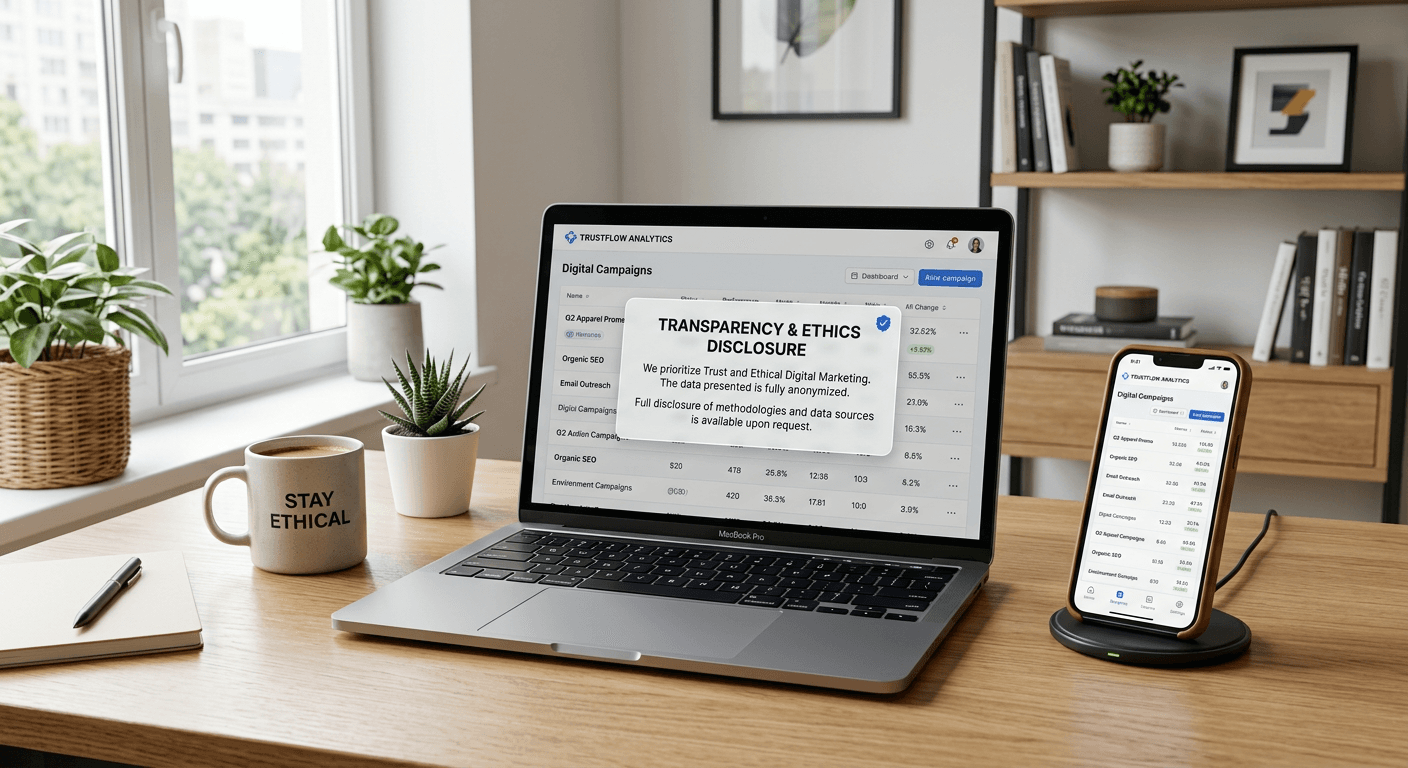
Maintaining transparency with your audience is not just a legal necessity but a foundational element of long-term creator success. As regulatory bodies tighten guidelines regarding commercial content, understanding proper affiliate link disclosure has become a critical skill for influencers, bloggers, and digital marketers. Providing clear notice ensures that you remain compliant with consumer protection laws while building the trust necessary for sustainable audience engagement.
Quick Summary
Affiliate link disclosure is the practice of informing your audience that a link may result in a commission for you when they make a purchase. Compliant disclosures must be clear, conspicuous, and placed before the actual links to protect consumer rights and satisfy advertising standards.
- Disclosures must be clearly visible, not hidden in footers or "more" tabs.
- Use simple, honest language like "I may earn a commission" rather than legal jargon.
- Placement matters; the notice should appear immediately preceding or adjacent to the affiliate content.
- Consistent disclosure practices protect your brand and improve your overall SEO affiliate links strategy.
Table of Contents
- Affiliate Link Disclosure Comparison
- Standard Disclosure Categories
- The Impact of Disclosure on SEO Affiliate Links
- Best Practices for Creating Affiliate Links
- How to Choose Your Disclosure Strategy
- Frequently Asked Questions
- Recommended Reads

Affiliate Link Disclosure Comparison
| Disclosure Category | Features | Pros | Cons | Target Audience |
|---|---|---|---|---|
| In-Content Notices | Placed immediately before the link. | High visibility, immediate context. | Can disrupt reading flow if too long. | General creators and bloggers. |
| Footer Disclaimers | Standardized site-wide text. | Easy to automate, unobtrusive. | Often ignored, legally insufficient alone. | High-volume content sites. |
| Social Media Tags | Use of "#ad" or "#affiliate". | Platform native, prevents flagging. | Limited space, requires brevity. | Influencers and social creators. |
| Video/Audio Audios | Verbal mention at start of media. | Impossible to miss, builds intimacy. | Requires extra production effort. | Podcasters and YouTubers. |
Standard Disclosure Categories
Navigating the nuances of affiliate link disclosure examples requires a tiered approach based on the platform you are using. In-content notices remain the gold standard because they provide context right at the point of decision, ensuring the consumer understands the commercial nature of the recommendation before they interact with the URL.
Social media tags represent a different category, focused on platform-specific compliance. Platforms often provide built-in tools for "Paid Partnership" labels, which function as an automated disclosure. However, these do not always exempt a creator from making a specific, clear verbal or textual statement within the caption to maintain full transparency regarding the affiliate nature of the content.
The Impact of SEO Affiliate Links
Many creators worry that disclosures will negatively impact SEO affiliate links by causing higher bounce rates or lower click-through rates. In reality, transparency is a positive signal. Search engines prioritize user experience, and a site that is upfront about its commercial model is less likely to be viewed as "spammy" or deceptive.
When you integrate disclosures properly, you help search algorithms understand the nature of your content. Using non-deceptive, descriptive text around your affiliate links helps maintain content quality. Furthermore, you can use this link-in-bio platform to organize your affiliate efforts in a clean, professional way that keeps your disclosures front and center while streamlining user navigation.
Best Practices for Creating Affiliate Links
When you create an affiliate link, your goal should be to maintain both technical functionality and ethical clarity. Avoid "cloaking" links in a way that hides their destination from the user. Instead, use clean, descriptive redirects that show where the user is heading.
Pro Tip: Keep your disclosure language simple. Phrases like "As an Amazon Associate, I earn from qualifying purchases" or "This post contains affiliate links for which I may receive a small commission" are effective. These statements are straightforward and avoid technical language that might confuse the average reader.
How to Choose Your Disclosure Strategy
Choosing the right strategy depends on your platform mix. If you operate a multi-channel presence, consistency is your best defense. A uniform disclosure policy across your blog, YouTube channel, and social accounts prevents ambiguity and demonstrates a professional commitment to your audience.
Consider your audience's behavior. If they are accustomed to quick-consumption social posts, a short but clear hashtag in the first few lines of your caption is sufficient. If you are writing deep-dive product reviews or long-form guides, an in-content disclosure at the very beginning of the article is the most robust method to ensure legal and ethical compliance.
Frequently Asked Questions
Is a footer disclosure enough to satisfy legal requirements?
No, a footer disclosure is generally considered insufficient because it is not "conspicuous" enough to be seen before the consumer engages with the affiliate link. It should serve as a backup to in-content disclosures.
Do I need to disclose links if the commission is very small?
Yes. The value of the commission is irrelevant to the legal requirement for disclosure. Any potential financial benefit from a link requires clear disclosure.
How does a kp affiliate link differ from standard links?
While "kp" often refers to specific network tracking identifiers, the disclosure requirement remains the same as any other affiliate link. The naming convention does not exempt the link from consumer transparency standards.